

 In stock
Prusa Research · authorised UK reseller
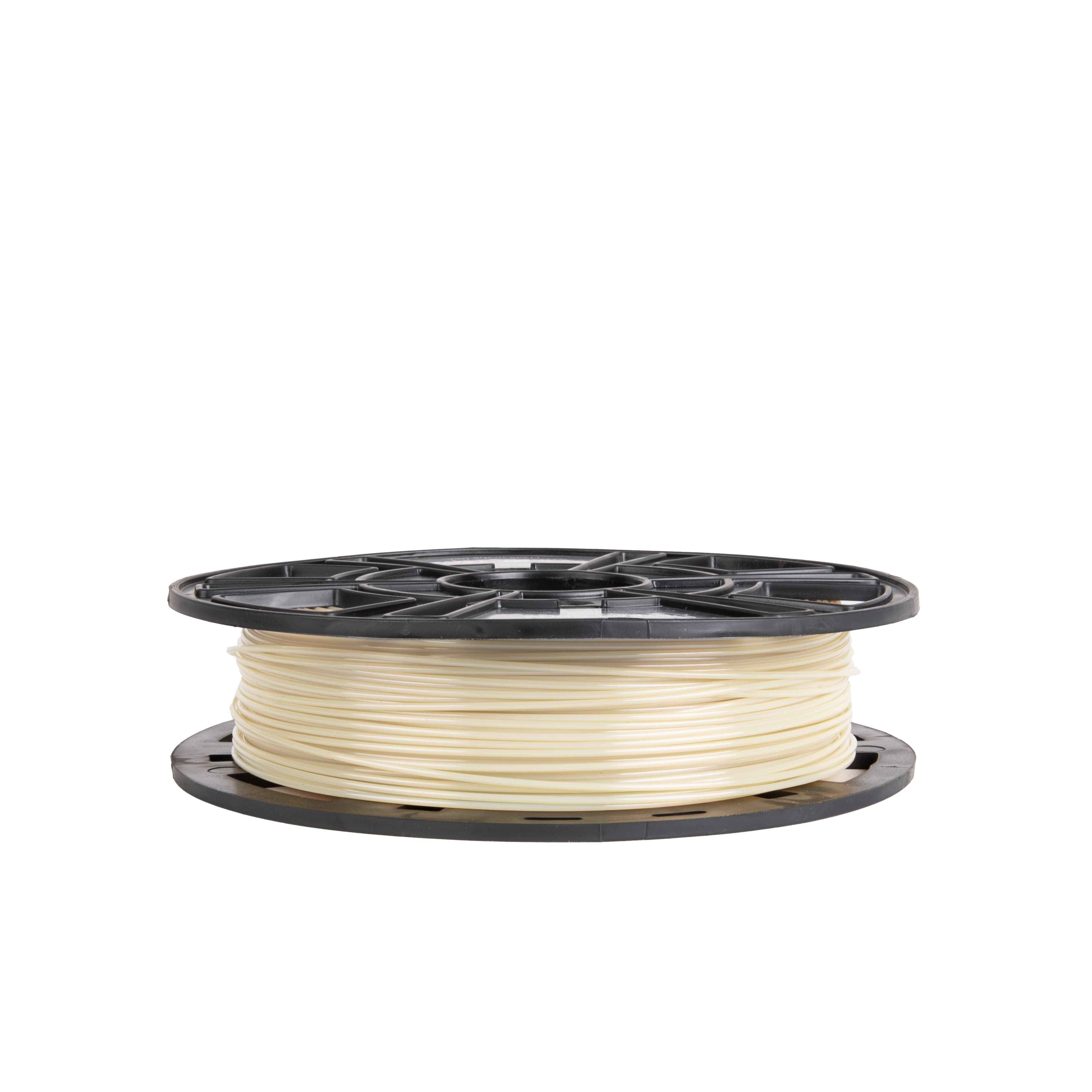
Prusament PA11 Natural 800g (NFC)
 1 / 2
1 / 2£91.99inc. VAT
SKU PRUSA-4141-0
Order before 3pm for same-day processing. Tracked delivery, [CONFIRM TYPICAL DELIVERY WINDOW] to your door.
Your selection
Select a quantity below to get started.
1
A closer look
Prusament PA11 Natural 800g (NFC) · Product information from Prusa Research.
Explore product details (5)
Why To Choose Prusament
Prusament is a premium-grade material made by the same people who build the printers. Every spool is manufactured in-house with consistent color and ±0.02 mm precision. You can verify it yourself, down to the last meter.
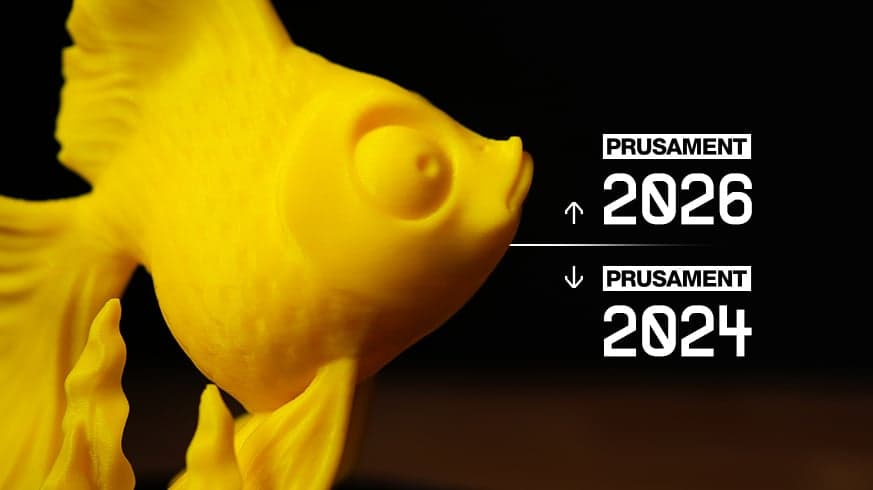
Guaranteed Color Consistency
Every Prusament color is formulated and locked to a documented spectroscopic recipe. Prusa tests every batch against the standard before it ships. The result: if you run out mid-project and order a second spool, the colors will match perfectly.
±0.02 mm Manufacturing Precision
Some manufacturers claim similar numbers, but claims without proof are just marketing. We measure and record diameter and ovality continuously across the full length of every spool, and we publish the actual data.
High Quality You Can Check Yourself
Every Prusament spool comes with the actual measured data from manufacturing: diameter readings along the entire length, weight, and ovality. We're the only filament manufacturer in the world that does this.
Perfect Winding On Every Spool
Our PLA filament is wound under controlled tension on precision machines. Every spool goes through a final inspection before shipping. The result is a spool that feeds smoothly from start to finish. Also, it looks great every time.

Made In The EU And USA
Prusament is manufactured in our facilities in the Czech Republic (Europe) and Delaware (United States). That means faster shipping, lower import duties where applicable, and a supply chain under our full control.
There's no third-party manufacturer who can quietly change a raw material supplier. No surprise batch failures from a factory you've never visited.
About Prusament PA11
PA11 is a type of polyamide used primarily in SLS technology and is very rare in the field of FFF 3D printing. Commonly used PA6 and PA12 polyamides have several disadvantages: PA6 is extremely hygroscopic, making it very difficult to print with it even 1 day after unpacking. PA12 isn’t as hygroscopic, but it warps extremely and has very poor adhesion to standard print sheets. PA11 is a good middle ground – it’s less hygroscopic, warps less, and offers better adhesion to various print surfaces.
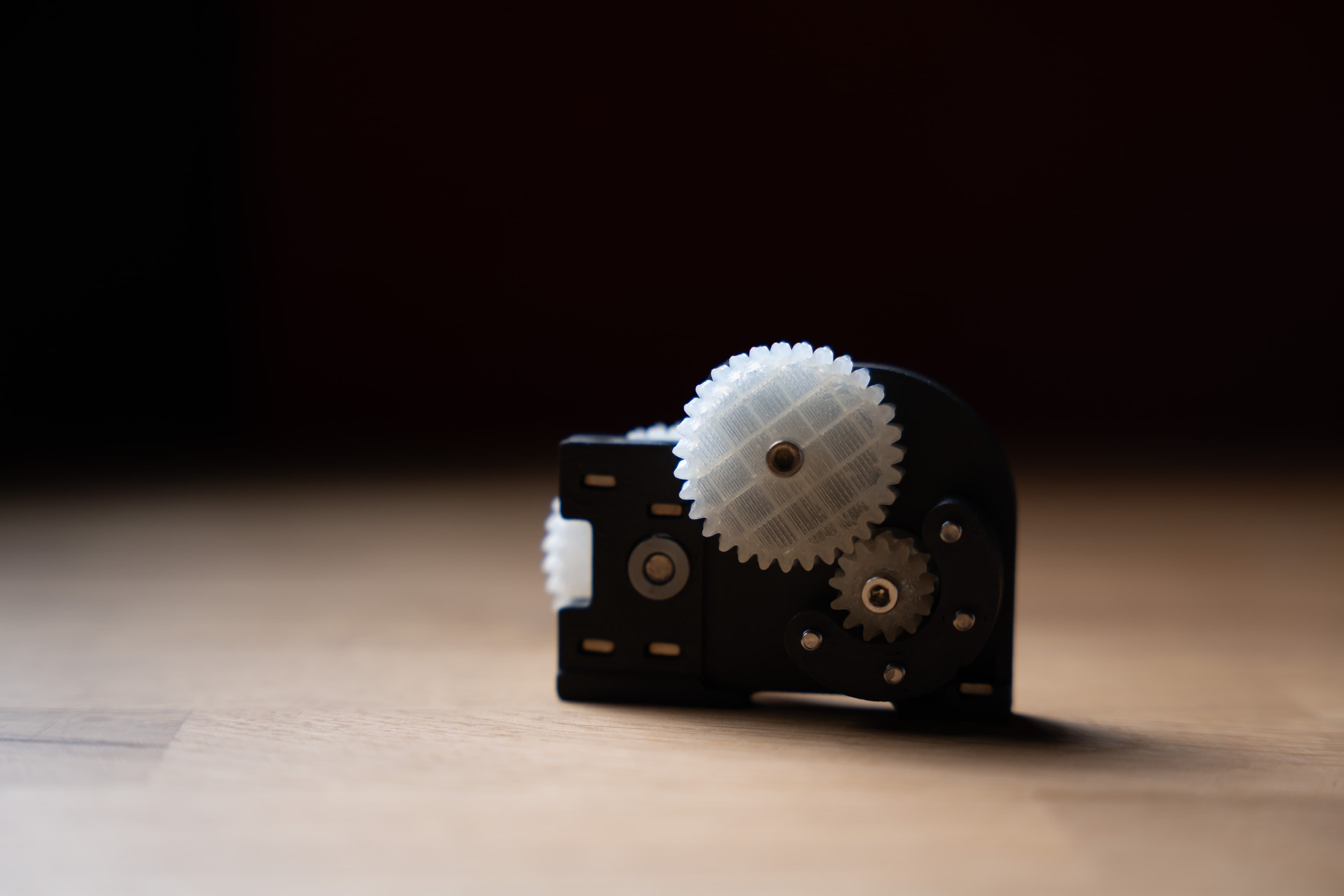
Great friction and abrasion resistance
Prusament PA11 offers low friction and good abrasion resistance. Combined with decent mechanical properties (impact and tensile strength), it's perfectly suitable for printing gears and other moving parts.
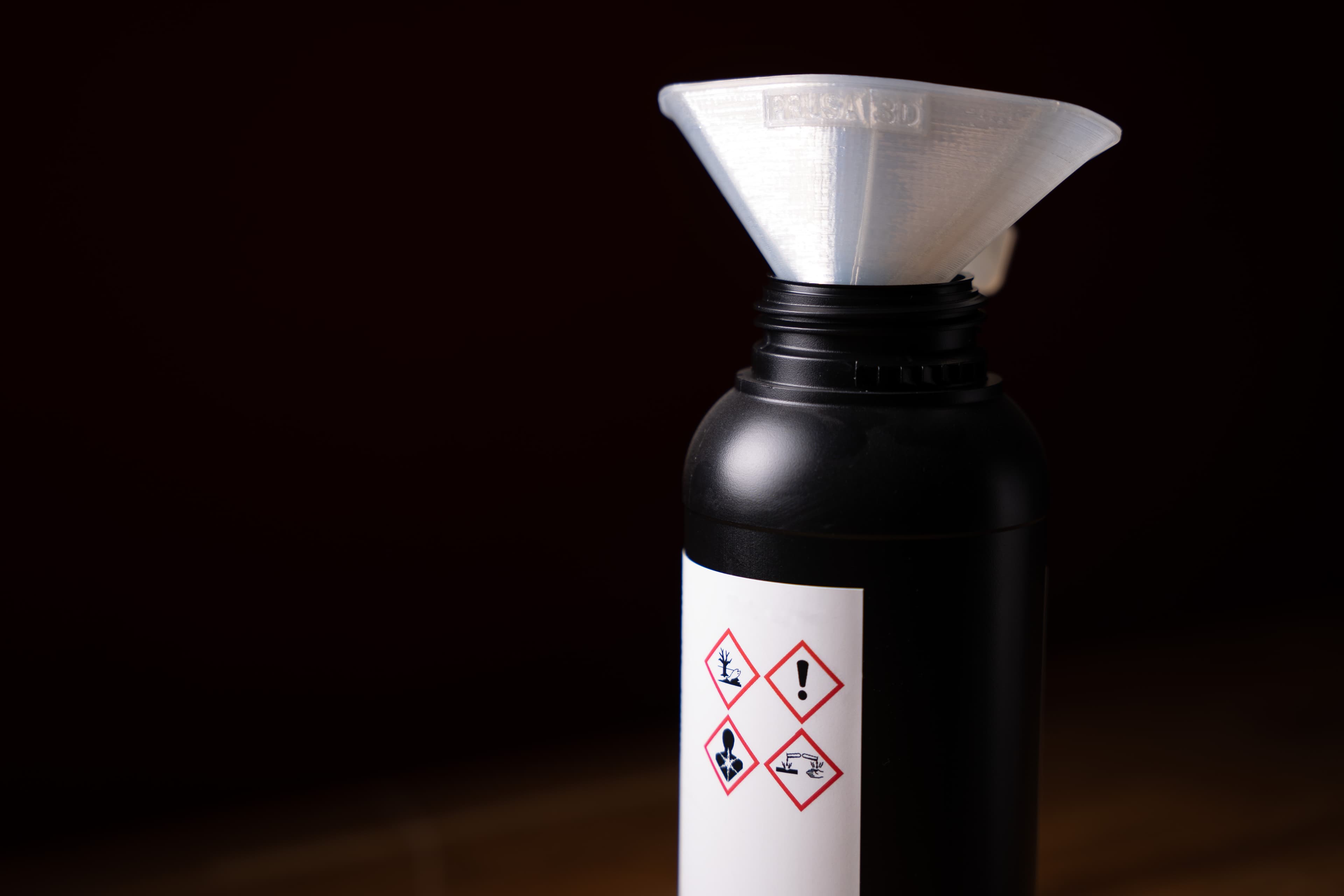
Excellent chemical resistance to a range of solvents
PA11 has good resistance to bases (e.g. NaOH), alcohols (Methanol, Ethanol), toluene, acetone, motor oil, petrol, diesel, etc. This makes it usable in laboratories and, again, in automotive and other demanding industry fields.
High tensile strength anisotropy coefficient
Prusament PA11’s tensile strength anisotropy coefficient reaches r=0.84 when printed with Prusa Core One+. This is the highest value of all Prusaments. This means the material is much harder to break and withstands stress in every direction, no matter the layers’ orientation. This vertically printed umbrella holder serves as a good example.
Basic Attributes
Strengths
- Great high-temperature resistance after annealing (up to 122.5 °C)
- Great chemical resistance
- High impact and wear resistance (very strong and rigid material)
- Very low friction coeficient
- High UV resistance
- High tensile strength anisotropy coefficient
- Noticeably less hygroscopic compared to other polyamides
Worth knowing
- A special print sheet (or separation layer) is required
- Hygroscopic (absorbs moisture)
- Emits odors during printing (enclosure with active filtration recommended)
- Low dimensional stability (strong warping)
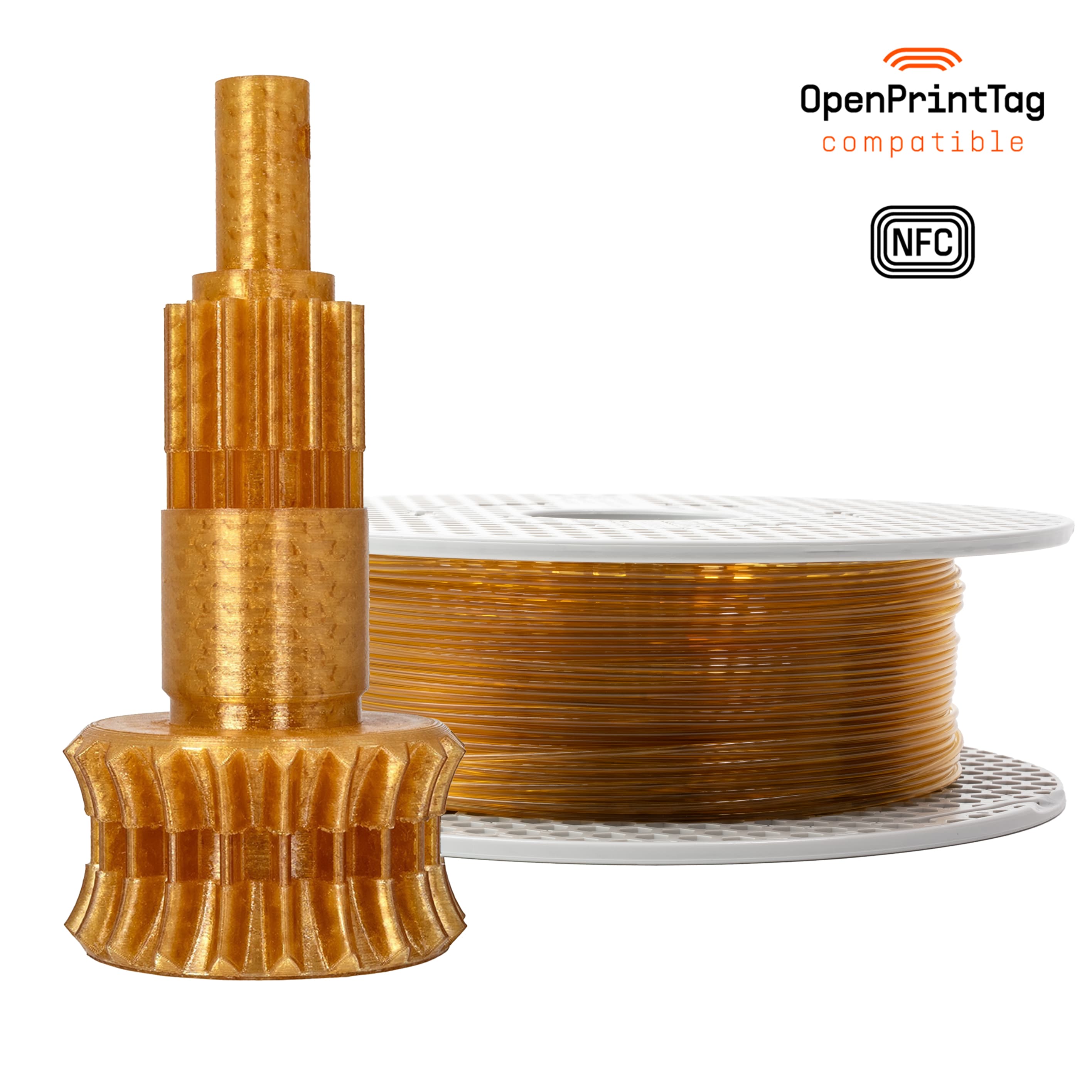
New spools with OpenPrintTag
Smarter spools. Open standard. No cloud lock-in.
Starting October 2025, all Prusament filaments ship on a redesigned spool with a fully rewritable NFC tag powered by the OpenPrintTag standard.
The OpenPrintTag attached to your Prusament spool contains essential data about the material and can be read with the Prusa mobile app. It works entirely offline, it is free to extend, and open for anyone to build upon.
Try our PA Nylon sheet designed for printing Polyamides
Prusament PA11 can easily peel and warp when printed on conventional sheets. Sure, smaller models with sparse infill can be printed on PEI sheets coated with stick glue, but for reliable printing of technical models, you need something better. Prusament PA11 in particular can easily peel and warp when printed on conventional sheets. That’s why we have developed a new surface layer of a special material that provides significantly better adhesion for polyamide printing materials.
Tips & Tricks For Beginners
Don't apply IPA on the Special PA Nylon Print Sheet
This print sheet gets damaged when cleaned with isopropyl alcohol, acetone, or other chemicals. Instead, the sheet's surface should be washed with water before use. If you need to degrease the surface, wash it with dish soap.
Apply a thin layer of stick glue before printing on the PA Nylon Sheet
PA11 adheres strongly to the PA Nylon Sheet. We recommend applying a thin separation layer to prevent any damage, especially when printing large components.
PA11, like other polyamides, is a hygroscopic material and requires drying
If the absorbed humidity reaches high levels, the print quality will deteriorate. Deterioration occurs between a few days and a month. If you are not sure how long it has been since you opened the sealed bag or if you haven’t been printing for a long time, we recommend drying the filament at 90 °C for 6-8 hours before printing.
Print in a well-ventilated area or use an enclosure with active filtration
We recommend printing in a well-ventilated room because PA11 may release a noticeable odor into the air and produce ultra-fine particles. Printing on an enclosed 3D printer helps contain the odors and particles, plus the increased temperature may improve layer-to-layer adhesion.
The details that matter
Technical specifications
Manufacturer figures, with plain-English notes where useful.
9 specifications
Printing
- Diameter
- 1.75 mm
- Recommended nozzle
- Standard 0.4 mm brass nozzle
- Recommended steel sheet
- PA Nylon
- Filament diameter precision
- ±0.02 mm
- Supported prusa print profiles
- CORE One+, CORE One L, Prusa Pro HT90
Materials & environment
- Materials
- PA (Nylon)
- Nozzle temperature
- 275±10 °C
- Heatbed temperature
- 100±10 °C
- Recommended chamber temperature
- 55±5 °C
A question before you order?
Ask about compatibility, the right configuration, or delivery for this product.
Explore more from Fabinity
Browse the range- In stock
 Out of stock
 Out of stock
 In stock