

 In stock
Prusa Research · authorised UK reseller
Prusament PLA 1kg
 1 / 2
1 / 2£24.99inc. VAT
SKU PRUSA-3418-0
Order before 3pm for same-day processing. Tracked delivery, [CONFIRM TYPICAL DELIVERY WINDOW] to your door.
Make it yours
Choose your options. The price updates as you go.
1
A closer look
Prusament PLA 1kg · Product information from Prusa Research.
Explore product details (5)
Why To Choose Prusament
Prusament is a premium-grade material made by the same people who build the printers. Every spool is manufactured in-house with consistent color and ±0.02 mm precision. You can verify it yourself, down to the last meter.
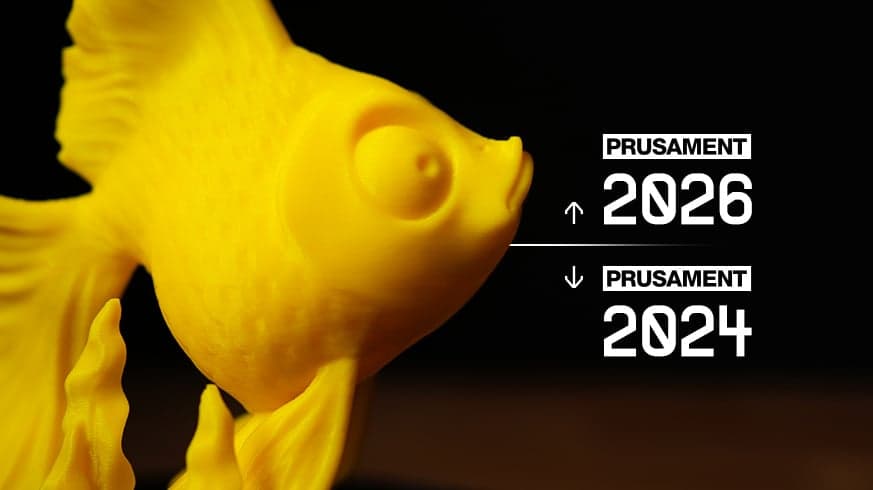
Guaranteed Color Consistency
Every Prusament color is formulated and locked to a documented spectroscopic recipe. Prusa tests every batch against the standard before it ships. The result: if you run out mid-project and order a second spool, the colors will match perfectly.
±0.02 mm Manufacturing Precision
Some manufacturers claim similar numbers, but claims without proof are just marketing. We measure and record diameter and ovality continuously across the full length of every spool, and we publish the actual data.
High Quality You Can Check Yourself
Every Prusament spool comes with the actual measured data from manufacturing: diameter readings along the entire length, weight, and ovality. We're the only filament manufacturer in the world that does this.
Perfect Winding On Every Spool
Our PLA filament is wound under controlled tension on precision machines. Every spool goes through a final inspection before shipping. The result is a spool that feeds smoothly from start to finish. Also, it looks great every time.

Made In The EU And USA
Prusament is manufactured in our facilities in the Czech Republic (Europe) and Delaware (United States). That means faster shipping, lower import duties where applicable, and a supply chain under our full control.
There's no third-party manufacturer who can quietly change a raw material supplier. No surprise batch failures from a factory you've never visited.
About PLA
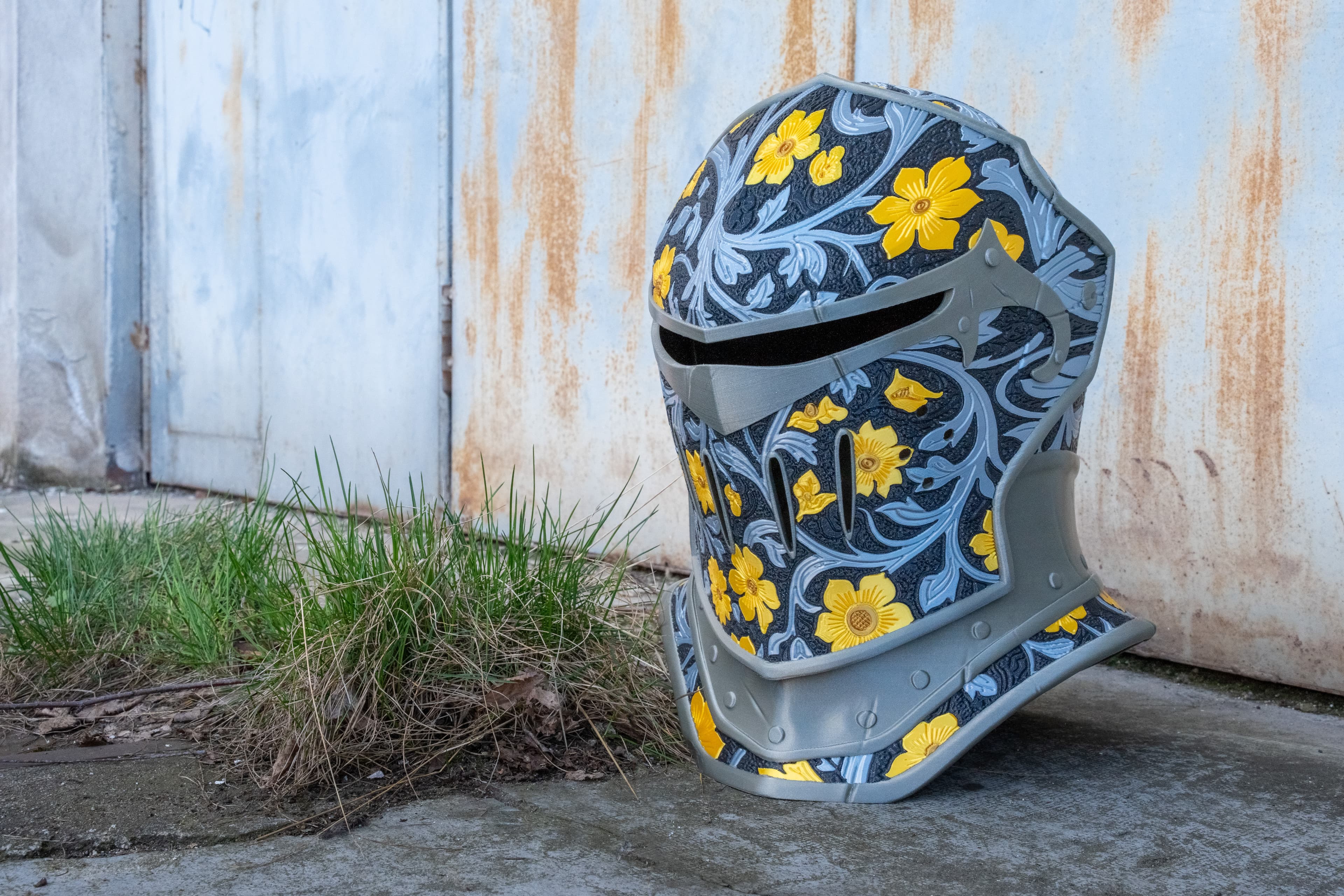
PLA is the best looking material you can print with
PLA is the easiest material to print and the first choice of most users, thanks to its good looks. It is inexpensive and suitable for beginners and advanced users alike. It is capable of printing both large and detailed models, figures, and quick prototypes that don’t require increased resistance.
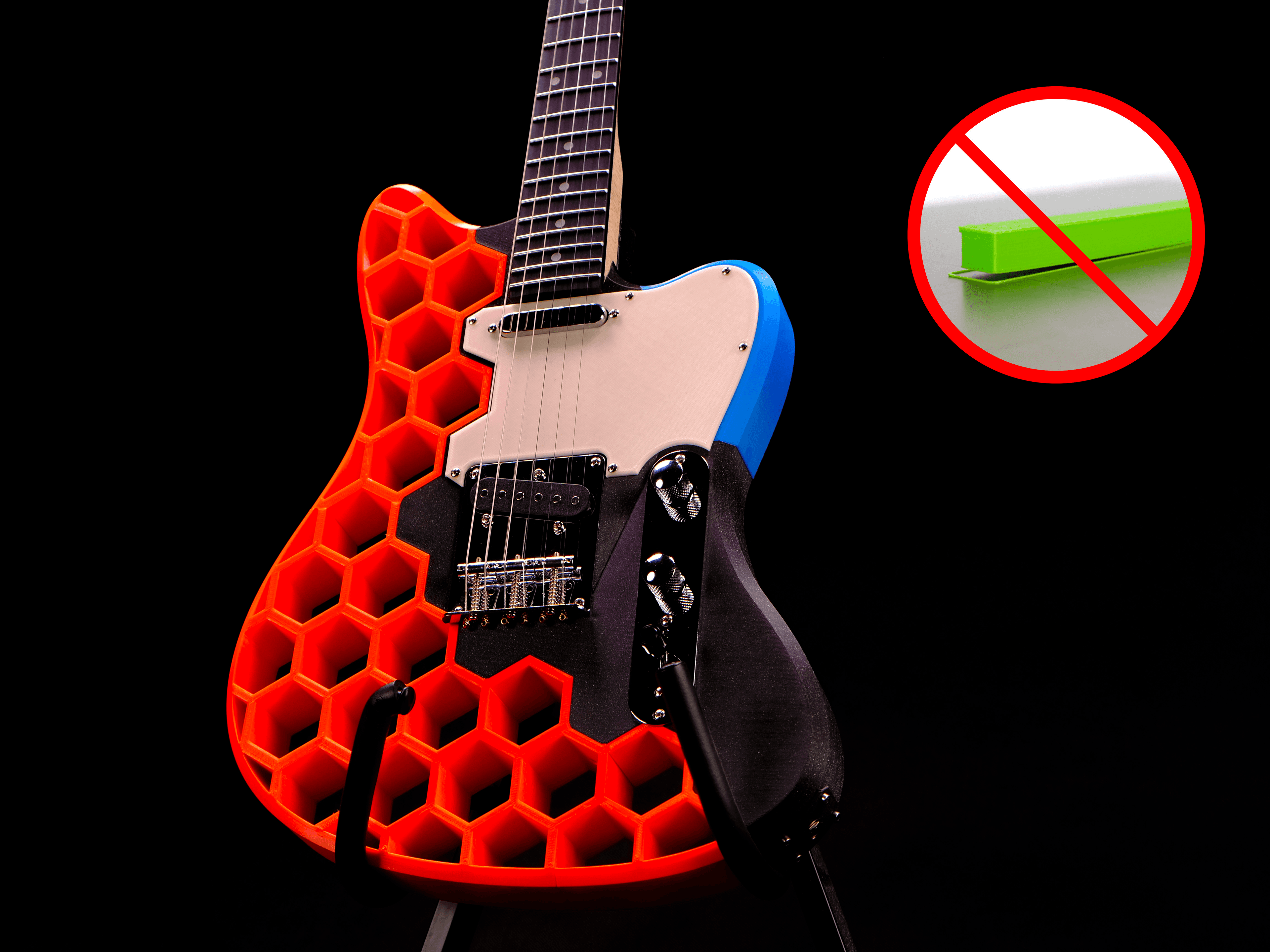
Large models with little to no warping
The Prusament PLA has low shrinkage, which makes it possible to print large objects with little to no warping. This is especially useful for printing huge models glued from multiple parts. Take a look at some of our projects, such as this PrusaCaster , for example!
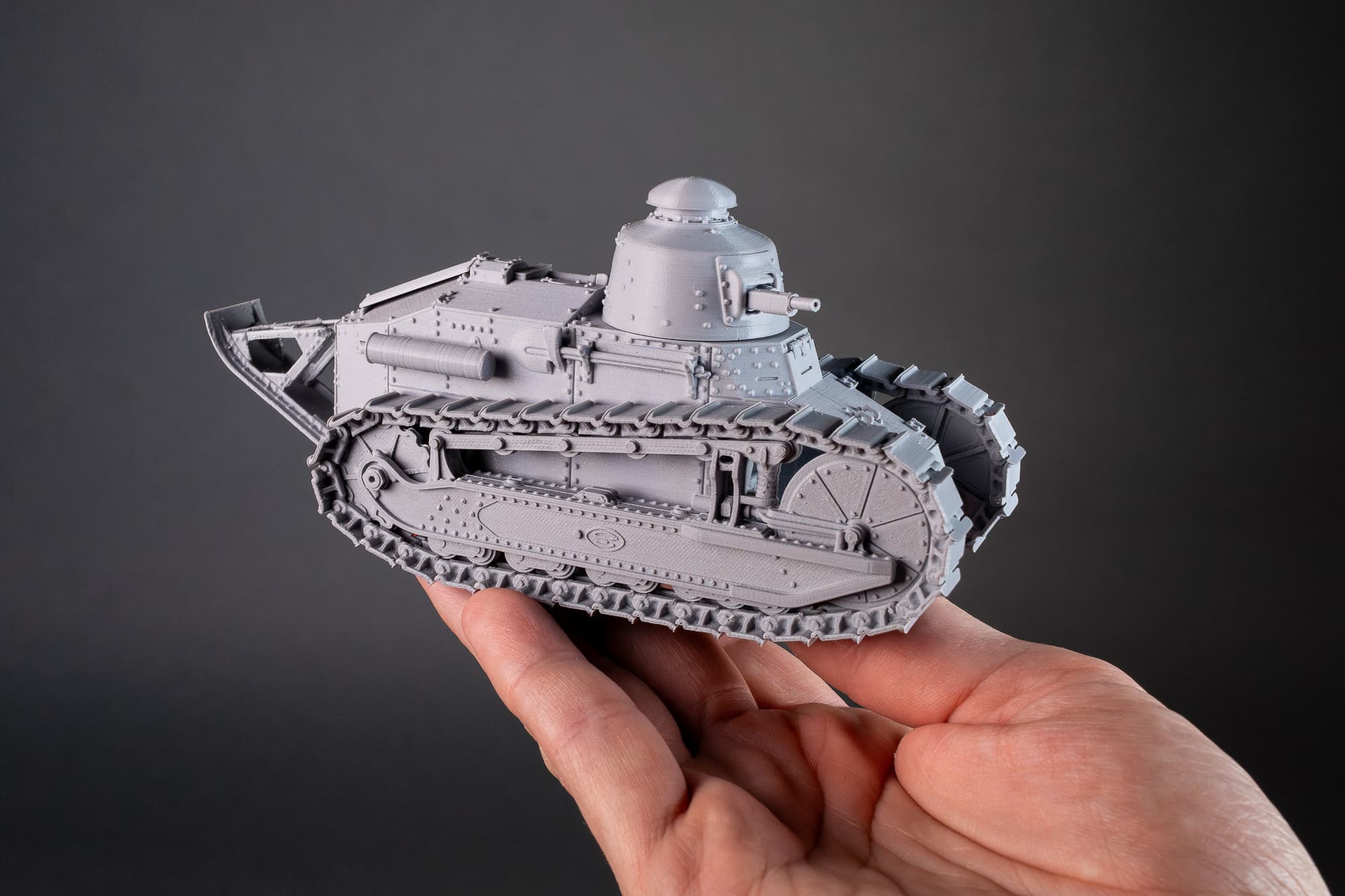
Tiny models with sharp details
The low melting temperature in combination with fast cooling enables easy printing of detailed parts, bridges, and overhangs.
Basic Attributes
Strengths
- Easy to print
- Suitable for prints of any size
- Hard
- Low warping
Worth knowing
- For mechanically stressed parts, consider using PETG or PC Blend
- We recommend using PETG or ASA for parts with better high-temperature resistance
- Difficult to sand (hard material, melts easily)
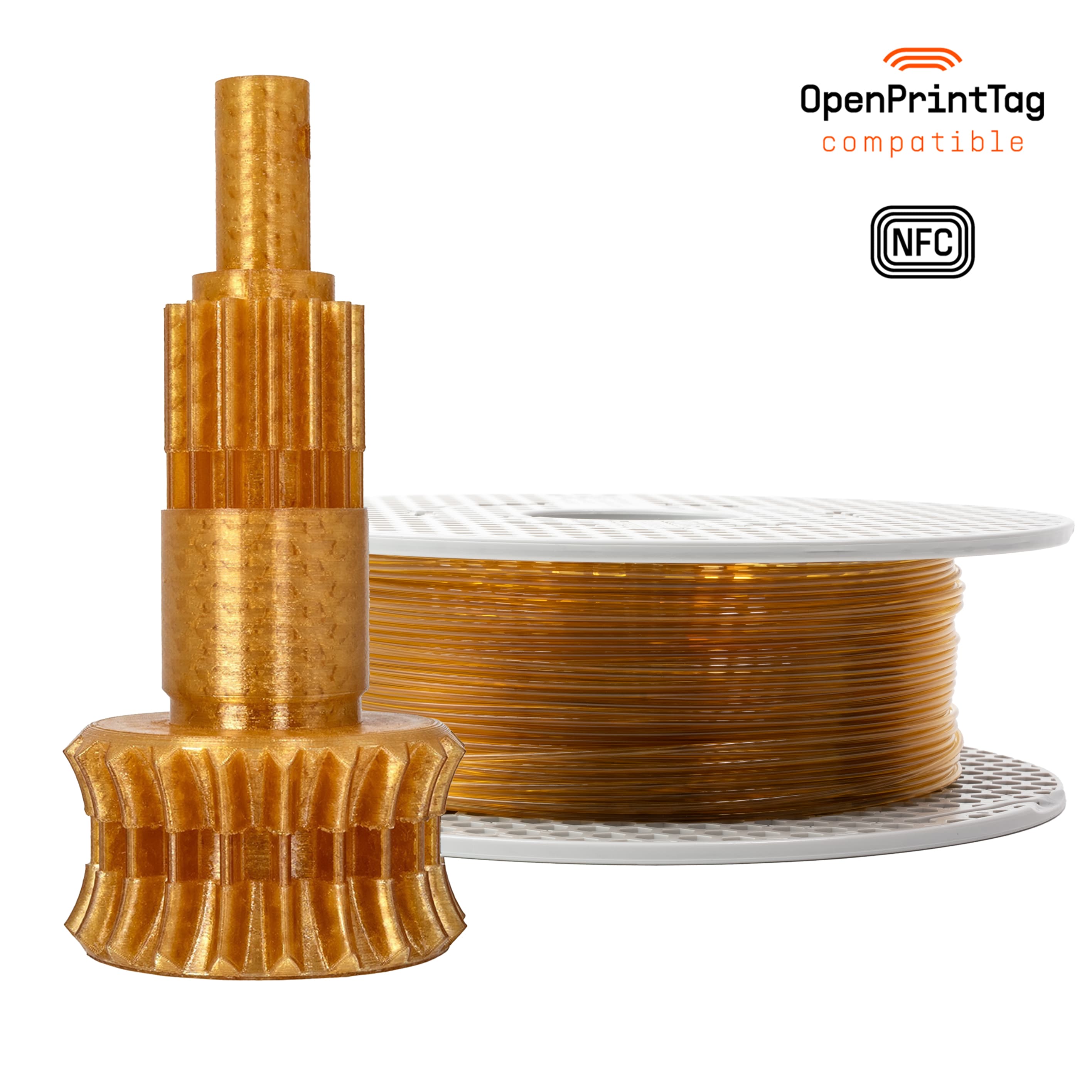
New spools with OpenPrintTag
Smarter spools. Open standard. No cloud lock-in.
Starting October 2025, all Prusament filaments ship on a redesigned spool with a fully rewritable NFC tag powered by the OpenPrintTag standard.
The OpenPrintTag attached to your Prusament spool contains essential data about the material and can be read with the Prusa mobile app. It works entirely offline, it is free to extend, and open for anyone to build upon.
Tips & Tricks For Beginners
PLA is the best filament to start with.
PLA is the easiest-to-print filament we make. It’s reliable and it doesn’t require any print preparations or difficult post-processing methods. If you’re new to 3D printing, it’s best to start with PLA before using other materials.
Before printing, make sure the print sheet is clean.
To achieve the best adhesion, it is important to keep the surface clean. The best option is Isopropyl alcohol available in drugstores, which works the best for PLA and other materials as well. Pour a little amount on an unscented paper towel and wipe the print surface. The print sheet should be cleaned while cold for the best results.
Drying is not usually necessary.
PLA is less hygroscopic than most materials, so drying is not usually necessary. However, if you notice stringing, bubbling, or surface roughness after long storage, drying at 45–50 °C for 4–6 hours will usually resolve it.
Try wet sanding when postprocessing PLA print.
When post-processing PLA, it’s better to use wet sanding. Without water you’ll quickly start heating the plastic by friction, it will melt locally and deform. Also, without water, the sanding material would clog easily.
Use superglue for gluing large models.
PLA can be glued with many types of glue. We recommend using superglue for most of the parts. Certain PLA filaments may be also glued using acetone, however, it strongly depends on the various additives and colors used.
Large color palette
The best-looking models from FFF 3D printers are usually made from PLA. The material has a matte to satin surface, which is valued among most users as it hides imperfections and looks more professional. We offer a large palette of both vivid and subtle colors of Prusament PLA, which can be used for multiple purposes, such as lithophane images, various home decor models, toys, parts of costumes, and much more.
The details that matter
Technical specifications
Manufacturer figures, with plain-English notes where useful.
7 specifications
Printing
- Diameter
- 1.75 mm
- Recommended nozzle
- 0.4 mm brass nozzle
- Recommended steel sheet
- Smooth PEI / Textured / Satin
- Supported prusa print profiles
- All Prusa FDM 3D printers
Materials & environment
- Materials
- PLA
- Nozzle temperature
- 215 °C
- Heatbed temperature
- 50-60 °C
A question before you order?
Ask about compatibility, the right configuration, or delivery for this product.
Explore more from Fabinity
Browse the range- In stock
 Out of stock
 Out of stock
 In stock